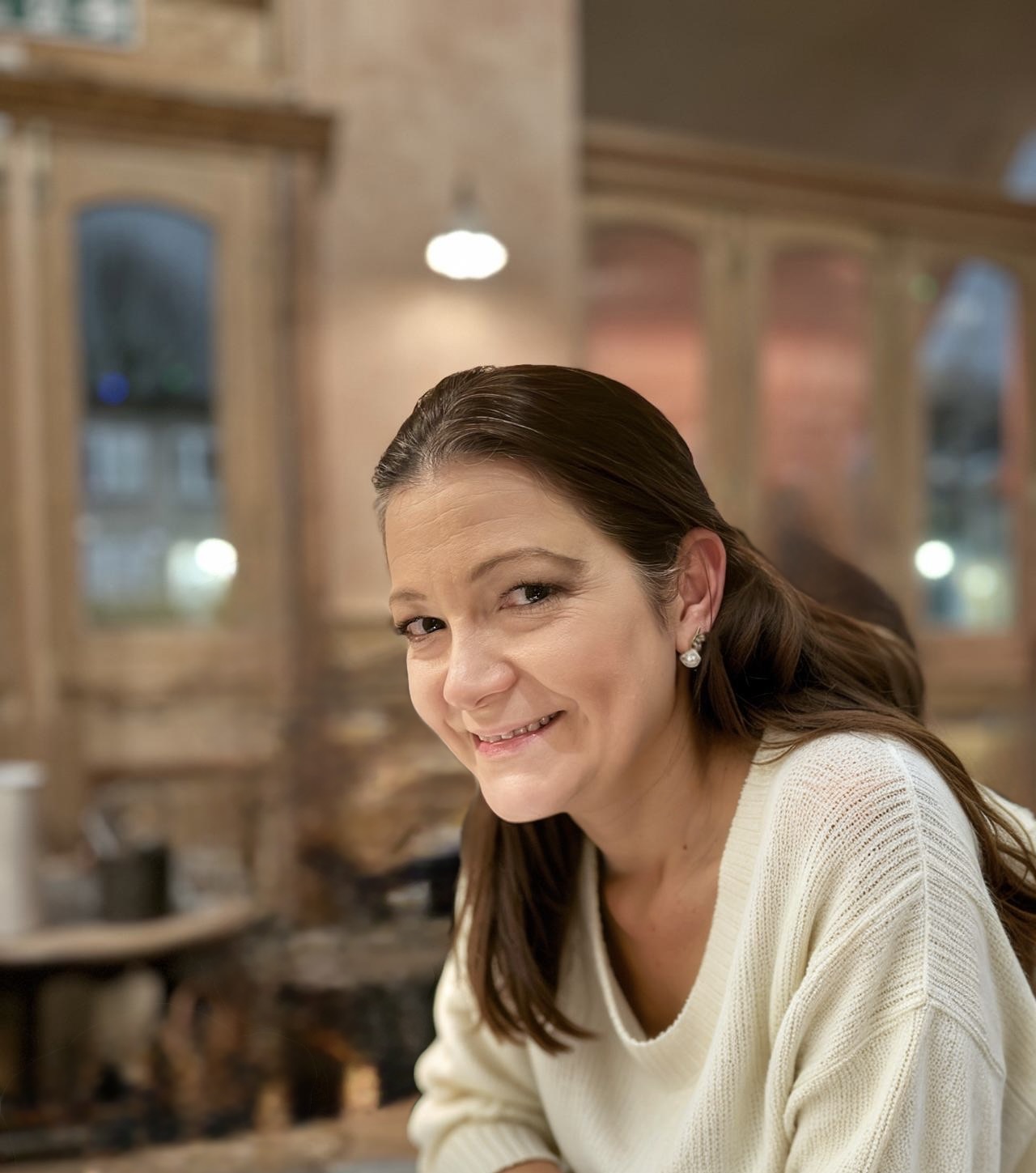
Rayya Nawal
Languages I know
- English (native)
- Bengali (native)
- French (proficient)
- German (intermediate)
Qualification
- A Master’s Degree in Aerospace Engineering — University of Bristol (2026)
- A-Level in English Literature, Physics, Mathematics and Further Mathematics — Colyton Grammar School (2022)
- GCSE in Triple Science, Maths, English, Art, French, History, Geography — Colyton Grammar School (2020)
A brief introduction
I'm a fourth-year Aerospace Engineering student at the University of Bristol and currently completing my Master's. I have lived in multiple cities after moving to the UK from Bangladesh and attended schools in London, Oxford and Devon, so my time in education has been widely varied. As a first-generation immigrant, my education has always been a priority, so I was a consistently high achiever in both school and university, achieving the top 10% of grades in my A-Level cohort and receiving a research grant in my first year of university out of 125 students. As a child, I was offered a place in the Ofsted Gifted and Talented program for English, which fostered my love of reading and literature. As a teenager, I enjoyed teaching my parents, particularly what I was learning in science, such as general relativity. Despite my parents having no science background, I found immense joy in helping them understand reasonably complex scientific ideas. I asked many questions in class for which I was awarded the Butler Award in Physics in sixth form and elected as student prefect.
Tutoring Experience
I tutored my sister for 2 months because she was struggling in English, Maths and Physics. I helped her focus on the specification and worked through homework together. Her grade in English increased from a B to an A* in her final GCSEs. When I was in sixth form, I tutored a student in GCSE Maths who was struggling with certain topics that required a high level of visualisation. After our first session I figured out that she was a visual learner, so methods such as mind-mapping, colour coding and drawing diagrams helped her in grasping concepts. After 3 months of tutoring, her grade in Maths rose from a C to B. Her school teacher contacted me thereafter, thanking me for my 'patience and kindness' which helped my student become 'more confident in her academic abilities'.
Teaching Method
I like to establish a few clear goals with my student in our first session. What grade are they aiming to achieve? How much time can they dedicate to achieving this goal? What subjects do they plan on pursuing after GCSEs or A-Levels? I believe it's motivating to have a wider vision when it comes to grades. Secondly, I like to establish a timeframe. How long would they like to be working with me? What do they hope to achieve in this time? How many hours outside of tutoring sessions can they dedicate per week? And finally, I request to see some previous work before the first session to get an understanding of the student. Reviewing their marks and teacher comments helps me to understand how the student currently thinks and applies themselves. In our following sessions I would encourage the student to keep a notebook or diary. This allows them to plan and review topics that we work on together. If they have specific problems or topic areas they would like to work on, I can find relevant material to help them. Otherwise, I would advise them to print out and highlight their specification to focus only on the relevant topics in our sessions and prioritise what they are struggling with in particular. I encourage students to find the answer themselves and try to grow their self confidence.
Availability
| Mon | Tue | Wed | Thu | Fri | Sat | Sun | ||
|---|---|---|---|---|---|---|---|---|
| Morning |
|
|
|
|
|
|||
| Afternoon |
|
|
|
|
|
|
||
| Evening |
|
|
|
|
||||
Explore related tutors